

Is Cashmere Warm Enough for Winter? The Ultimate Cold-Weather Guide
When freezing temperatures arrive, finding pieces that offer maximum insulation without heavy bulk is a seasonal challenge. A common question among shoppers is: Is cashmere warm enough for winter? The short answer is yes—cashmere is one of the most efficient natural insulators available, often providing significantly more warmth than traditional sheep's wool relative to its weight. When winter arrives and temperatures drop, many people wonder whether cashmere is genuinely warm enough to keep them comfortable. The answer is a resounding yes—but understanding why cashmere performs so well in cold weather helps you make the most of these premium garments.
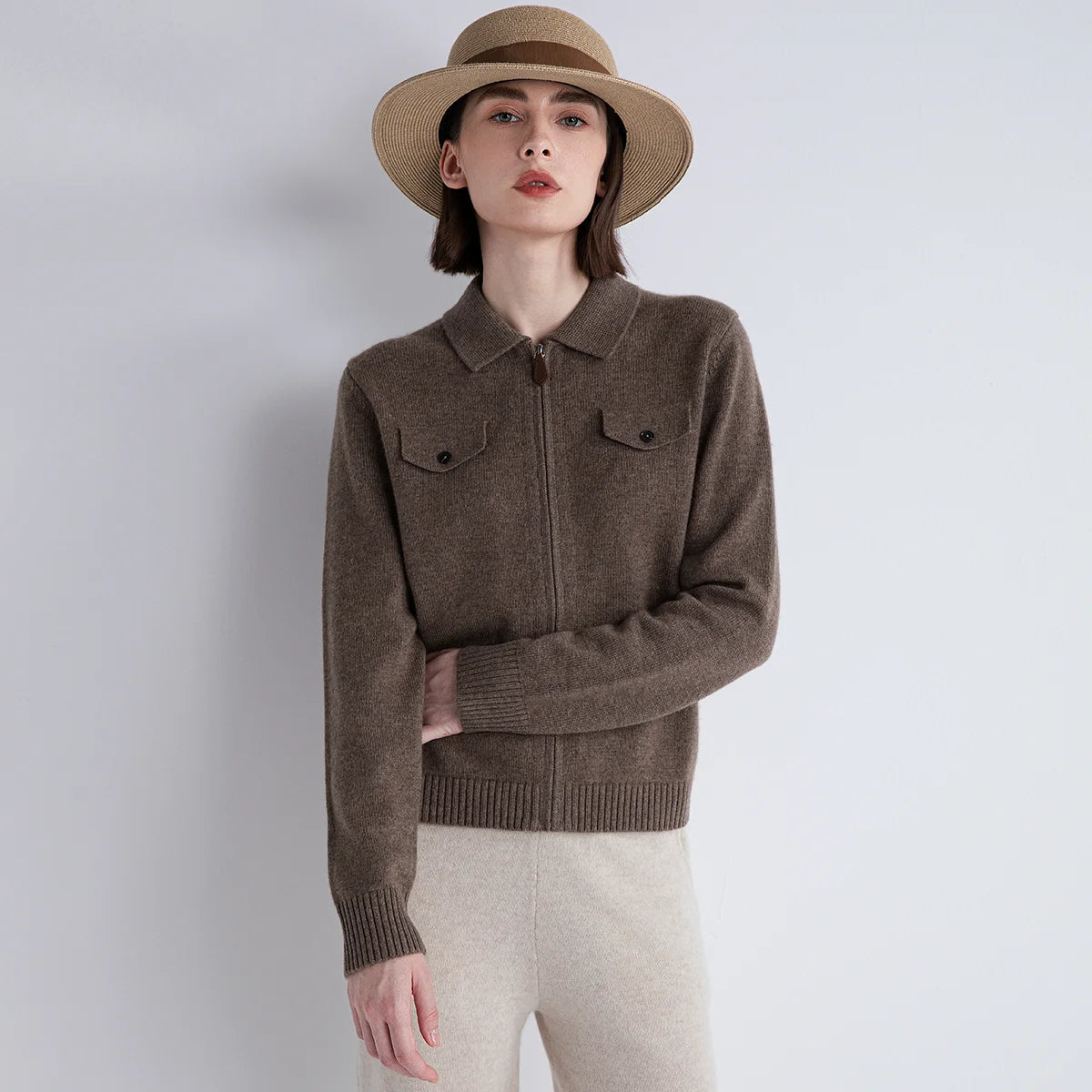
Luxury Polo Collar Cashmere Cardigan
Crafted from premium cashmere, this women's cardigan delivers unparalleled softness and breathability. The refined polo knit construction provides subtle texture while maintaining an elegant silhouette perfect for layering or standalone wear. Naturally temperature-regulating fibres keep you comfortable throughout the day, while the luxurious fabric develops a beautiful patina with time. An investment piece that transcends seasonal trends, offering timeless sophistication and lasting durability for the discerning wardrobe.
Shop Now
Luxurious Cashmere Long Cardigan Sweater
Experience exceptional warmth and elegance with this luxurious women's long sweater crafted from premium cashmere. Its soft, breathable fabric ensures comfort throughout the day, while the extended length provides extra coverage and a sleek silhouette. Ideal for layering or wearing alone, this sweater combines timeless style with enduring quality for a sophisticated wardrobe staple.
Shop Now

Refined Cashmere Mock Neck Jumper
Crafted from a luxurious cashmere blend, this refined women’s sweater offers exceptional softness and warmth while maintaining durability. Its elegant design and fine knit make it a versatile wardrobe staple, ideal for layering or wearing on its own. The breathable fabric ensures comfort throughout the day, combining timeless style with expert tailoring for a sophisticated look.
Shop Now

Casual Style Short Sleeves Cashmere Sweater
Pamper yourself in luxurious comfort with our Cashmere V-Neck Women's Sweater. Made from high-quality cashmere, this sweater will wrap you in warmth while also adding a touch of elegance to any outfit. Treat yourself or a loved one to the ultimate cozy and stylish piece.
Shop Now

Ribbed Trims Cashmere Polo Sweater
Elevate your wardrobe with our luxurious Ribbed Cashmere Polo Women’s Sweater. Crafted from soft and cozy cashmere, this sweater features a classic ribbed design that adds texture and sophistication to any look. Perfect for both casual and formal occasions, this sweater is a must-have for any fashion-forward woman.
Shop Now

Why Is Cashmere So Warm? (The Science of Fine Fibers)
-
Natural Microscopic Air Pockets: Cashmere comes from the soft undercoat of cashmere goats native to harsh climates. Their ultra-fine fibers create dense microscopic air pockets that trap body heat effectively.
-
High Insulation-to-Weight Ratio: Pure cashmere can provide up to eight times more insulation than standard sheep's wool while remaining remarkably lightweight.
Cashmere vs. Traditional Wool: Which Keeps You Warmer?
-
Cashmere Superiority: Cashmere fibers have a higher loft and finer diameter than standard wool, meaning it delivers high-end thermal regulation without a heavy or rigid feel.
-
Layering Potential: Because it lacks the bulk of heavy woolens, a cashmere sweater or luxury cardigan slips effortlessly under structured coats and blazers.
Breathability and Temperature Regulation
-
Avoiding Overheating: True winter comfort isn't just about trapping heat; it's about avoiding sweat when moving between freezing outdoor conditions and heated indoor spaces.
-
Moisture Management: Cashmere’s breathable structure allows air circulation while regulating your body's microclimate.
Why Cashmere Excels in Winter
Cashmere is prized for its exceptional insulating properties. The fibres are significantly finer than wool, with a diameter of around 14 to 19 microns, which allows them to trap warm air more efficiently. This natural insulation creates a barrier between your body and the cold, keeping heat close to your skin without requiring bulk or weight.
Unlike synthetic materials that can feel stiff or uncomfortable, cashmere remains soft and breathable even when layered. It regulates temperature naturally, so you stay warm without overheating—a quality that makes it ideal for transitional autumn days and harsh winter conditions alike.
Layering for Maximum Warmth
To get the most from your cashmere in winter, strategic layering is key. A cashmere sweater worn over a thermal base layer or long-sleeved shirt creates an effective insulating system. For extremely cold days, add a wool coat or puffer jacket over your cashmere piece. This approach combines cashmere's softness against your skin with additional protection from the elements.
Cashmere scarves and wraps also serve dual purposes—they add visual elegance whilst providing crucial neck and shoulder warmth, which helps regulate your overall body temperature.
How Cashmere Compares to Other Fibres
Wool is warm, but cashmere offers superior comfort due to its fineness and softness. Acrylic and polyester synthetics may feel warm initially, but they don't breathe as well and can trap moisture, leaving you feeling damp and cold. Cashmere naturally wicks moisture whilst maintaining warmth, making it a better long-term investment for winter wear.
Caring for Winter Cashmere
To ensure your cashmere lasts through multiple winters, proper care is essential. Hand wash in cool water with a gentle detergent, or use the delicate cycle on your machine if the label permits. Always lay flat to dry—never hang cashmere, as this can stretch it out of shape. Store your pieces in breathable cotton bags during warmer months to protect them from moths and dust.
Pilling, a common concern with cashmere, doesn't affect warmth but can be minimised by avoiding excessive friction. A cashmere comb or soft brush gently removes pills without damaging the fibres.
Choosing Quality Cashmere for Winter
Not all cashmere is created equal. Premium cashmere from reputable sources offers better durability and warmth retention. Look for items labelled as 100% cashmere or high-percentage blends. Thicker knits and tighter weaves provide more insulation than lightweight options, making them better suited to harsh winters.
Investing in quality cashmere pieces means you'll have reliable, comfortable winter layers that improve with age and feel luxurious against your skin for years to come.


Leave a comment